Fourth WCAC Regional Assembly
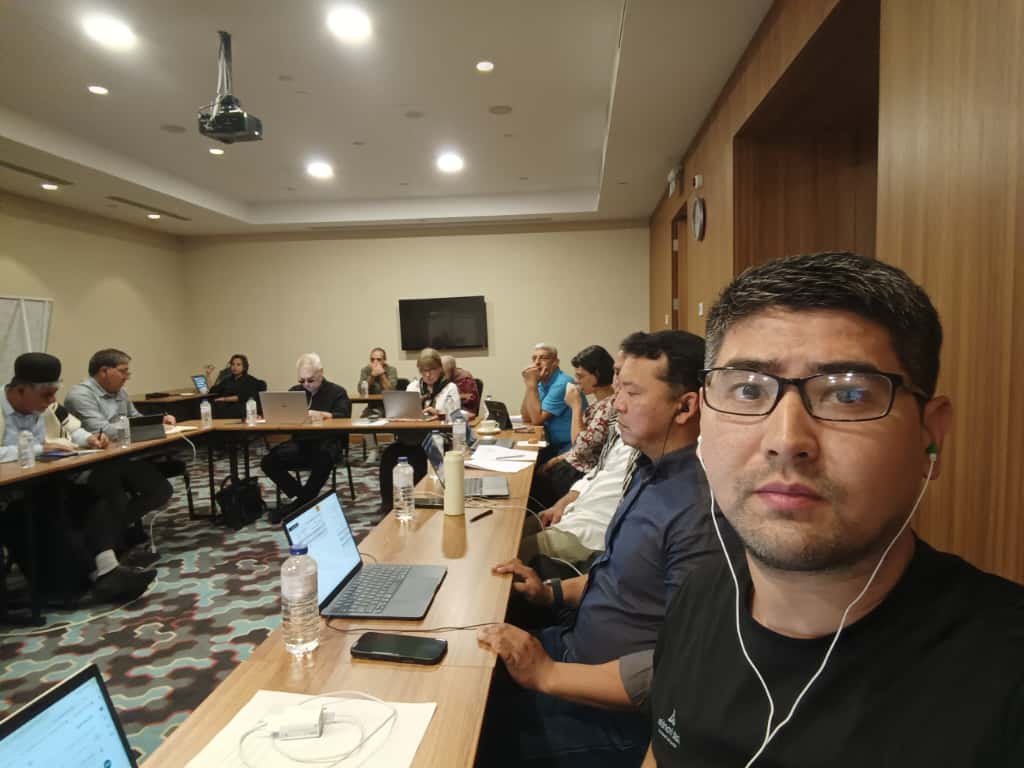
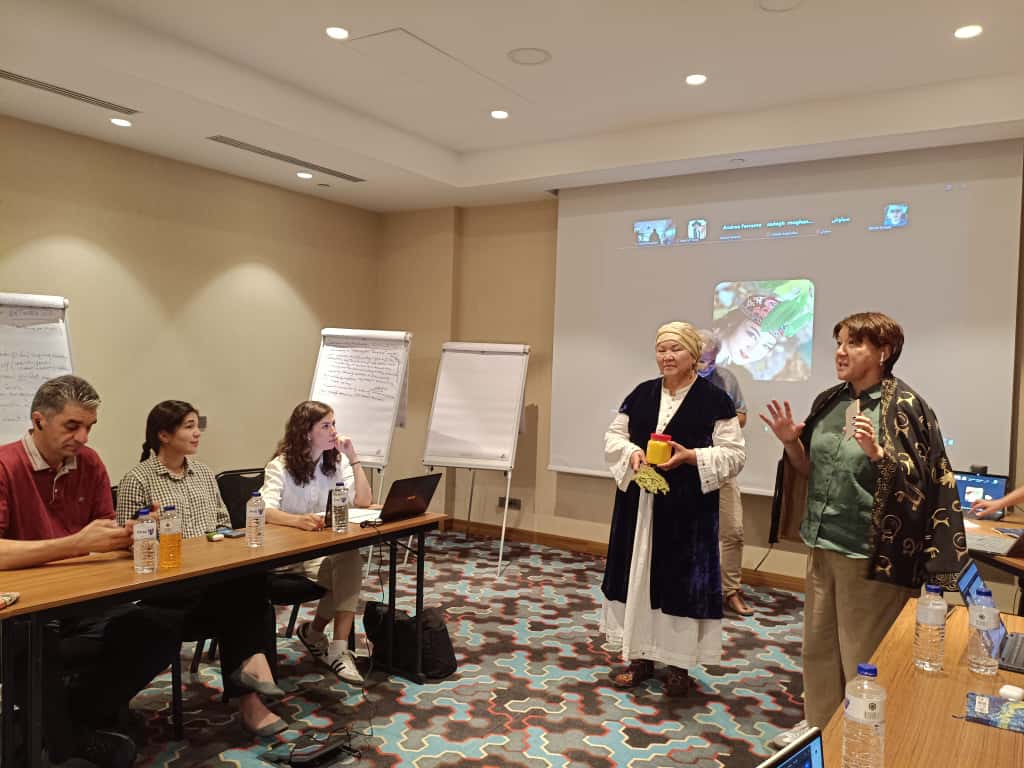
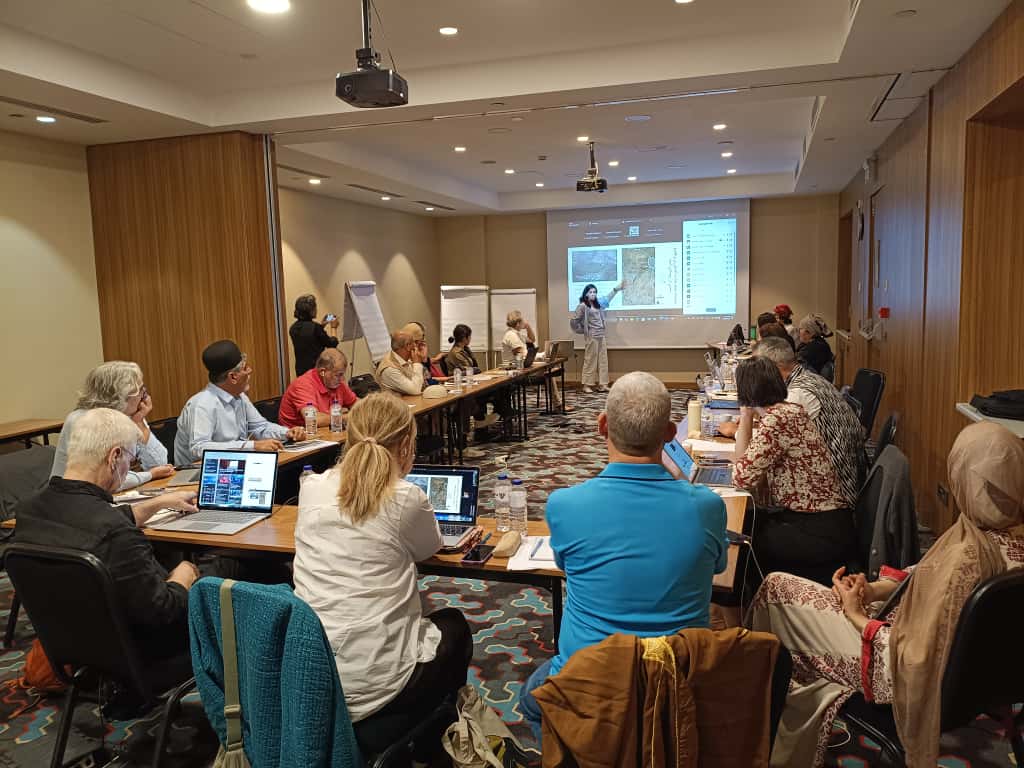
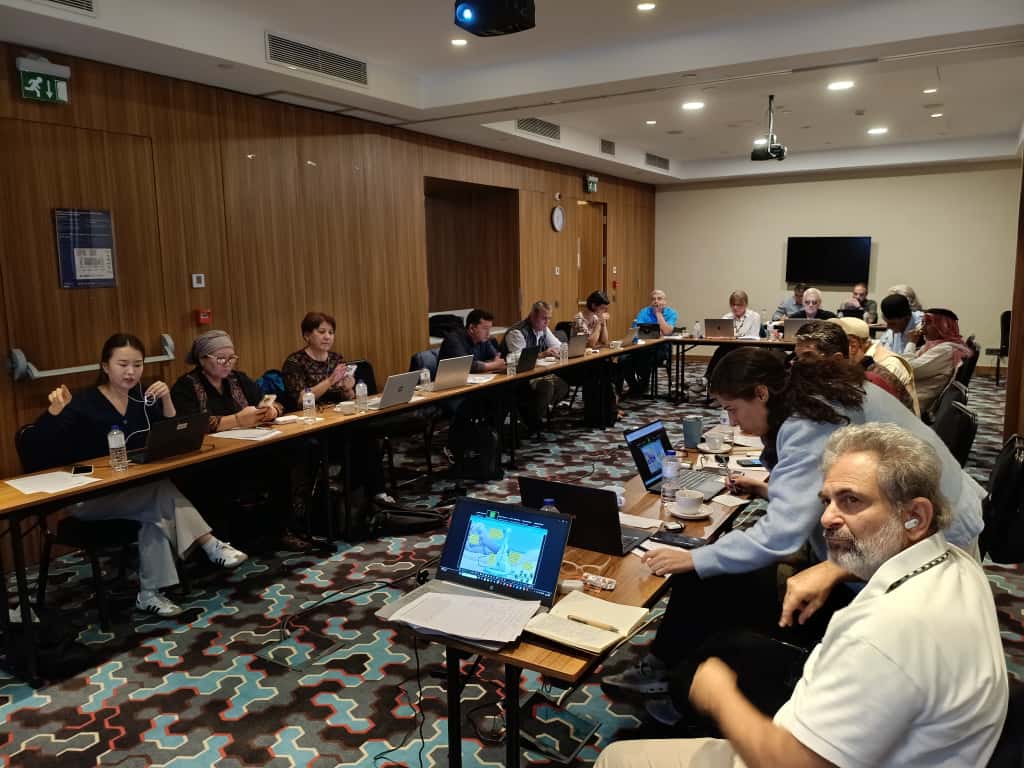
On September18–20 2024, Marlis Sarchaev as a member of RDF took part in the Fourth WCAC Regional Assembly in Istanbul. The three-day Regional Assembly of the ICCA Consortium brought together members and partners from across West & Central Asia and the Caucasus to reflect, learn, and plan for the future of our Territories of Life.
Day 1 focused on the Consortium’s roots and future directions — exploring its Genealogy and Foundational Manifesto, and discussing current realities and future pathways. Members shared inspiring stories and reviewed progress under the 2024–2025 Regional Action Plan, before moving into group work to develop the Action Plan for 2026.
Day 2 invited participants to reflect on challenges and hopes for Territories of Life, and to explore emerging global topics such as data governance in nature markets, environmental guardianship, and nature credit systems. Interactive sessions addressed critical issues of land, housing, and climate change impacts, while also introducing opportunities for direct access to funding through the Cali Fund.
Day 3 was dedicated to the Agroecology School, highlighting how agroecological approaches can help preserve traditional knowledge and sustain the balance between people and nature.
The Assembly strengthened regional collaboration, reaffirmed shared values, and inspired joint action to protect, sustain, and revive Territories of Life.
On September18–20 2024, Marlis Sarchaev as a member of RDF took part in the Fourth WCAC Regional Assembly in Istanbul. The three-day Regional Assembly of the ICCA Consortium brought together members and partners from across West & Central Asia and the Caucasus to reflect, learn, and plan for the future of our Territories of Life.
Day 1 focused on the Consortium’s roots and future directions — exploring its Genealogy and Foundational Manifesto, and discussing current realities and future pathways. Members shared inspiring stories and reviewed progress under the 2024–2025 Regional Action Plan, before moving into group work to develop the Action Plan for 2026.
Day 2 invited participants to reflect on challenges and hopes for Territories of Life, and to explore emerging global topics such as data governance in nature markets, environmental guardianship, and nature credit systems. Interactive sessions addressed critical issues of land, housing, and climate change impacts, while also introducing opportunities for direct access to funding through the Cali Fund.
Day 3 was dedicated to the Agroecology School, highlighting how agroecological approaches can help preserve traditional knowledge and sustain the balance between people and nature.
The Assembly strengthened regional collaboration, reaffirmed shared values, and inspired joint action to protect, sustain, and revive Territories of Life.